
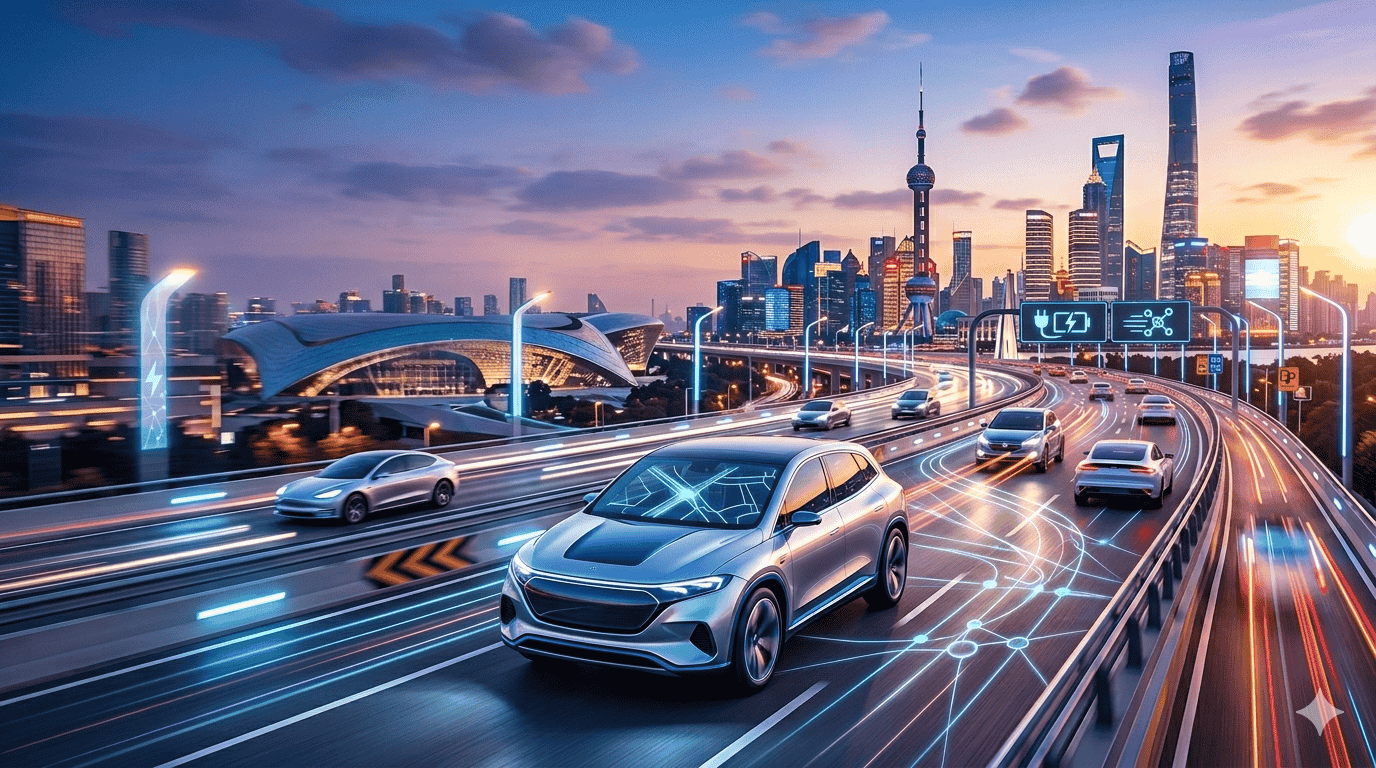
Electric Cars: The Future of Driving
Electric Cars: The Future of Driving is the best info of 2026 Have you noticed quieter cars on the road lately? Those vehicles may be called electric vehicles, or EVs. While regular cars use gas, electric cars run on electricity instead. As they continue to gain popularity, they are changing the way we travel.
Now that you know what electric vehicles are, let’s explore how they work.
Regular cars have a gas engine, which burns fuel to make the car move. This process creates a lot of heat, noise, and smoke.
Compared to regular cars, electric cars are much simpler. Without a gas engine, they use just two main parts: a battery pack and an electric motor.
- The battery works like a giant version of the one in your smartphone, storing the electrical energy the car needs.
- The Motor: Pressing the pedal sends energy from the battery to the motor, which turns the wheels.
Because they have fewer moving parts, electric cars are incredibly quiet; you might not even hear one turn on when you start it!
Charging the Car
Instead of going to a gas station, electric car owners plug into a charger.
You can charge an EV right at home using a regular wall outlet, though it takes a long time. Many people install a special, faster charger in their garage so the car can fill up overnight while they sleep, making the process more convenient.
On long trips, you can use public charging stations at shopping centres, rest stops, or parking lots. The fastest chargers fill a battery to 80% in about 30 minutes.
Why People Love Electric Cars
Drivers are switching to electric vehicles for many reasons, each granting unique benefits.
1. Better for the Earth
Regular cars emit exhaust gas from their tailpipes, polluting the air and warming the planet. Electric cars have no tailpipes and produce zero emissions while driving, leading to purer air for all.
2. Saving Money on Fuel
Electricity is usually much cheaper than gas, allowing drivers who charge at home to travel the same distance as gas-powered cars while spending much less.
3. Less Maintenance
Gas cars need regular oil changes, new spark plugs, and lots of tune-ups. In contrast, electric cars do not use oil and have fewer parts that can break, saving owners both time and money on repairs.
The Challenges of Electric Cars
Although EVs are great, they are not perfect. Scientists and car companies are working to solve a few problems.
- Cost: Electric cars often cost more than regular cars, mainly because their large batteries are expensive to make.
- Driving Range: The distance a car can travel before needing a charge. Some cheaper EVs travel only about 150 miles. Long trips call for careful planning for charging stations.
- Charging Time: Filling a gas tank takes less than five minutes. Charging an electric car takes longer, which may be inconvenient when you are in a hurry.
What does the future hold for electric vehicles?
The world is changing quickly. Governments are making laws to help people buy electric cars, and companies are building better batteries that charge faster and go farther.
Electric cars are no longer solely a cool idea for the future. They are here right now, helping us drive toward a cleaner, better natural world – and with every new innovation, they’re bringing us closer to a time when everyone can enjoy cleaner air, quieter streets, and sustainable travel. The journey is just beginning, and your next car could be part of the change. I hope you will like this article Electric Cars: The Future of Driving 2026.
FAQ’s
1. How long does it take to charge an electric car?
It can take anywhere from 30 minutes at a fast public station to overnight when charging at home.
2. Can electric cars drive in the rain or go through a car wash?
Yes, they are completely safe because all the electrical parts are tightly sealed against water.
3. Do electric car batteries last forever?
No, but they last a very long time, usually between 10 and 20 years before they need to be replaced.
4. What happens if an electric car runs out of power on the road?
Just like a gas car, it will stop moving and will need to be towed to the nearest charging station.
5. Are electric cars completely silent?
They are very quiet, but many have to make a fake humming sound at low speeds so pedestrians can hear them coming.